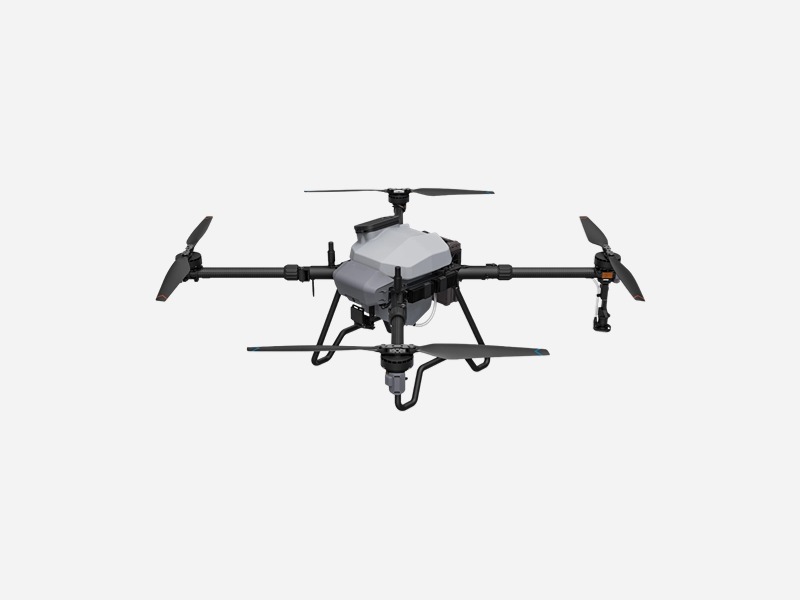
The integration of agriculture uav drones into modern farming practices is revolutionizing the way we approach crop management and quality control. These advanced aerial vehicles are not just a technological novelty; they represent a significant leap forward in agricultural efficiency and precision. As I delve deeper into this topic, it becomes clear that interpret how these drones operate can lead to substantial improvements in the overall quality of agricultural products.
Interpret Agriculture UAV Drones
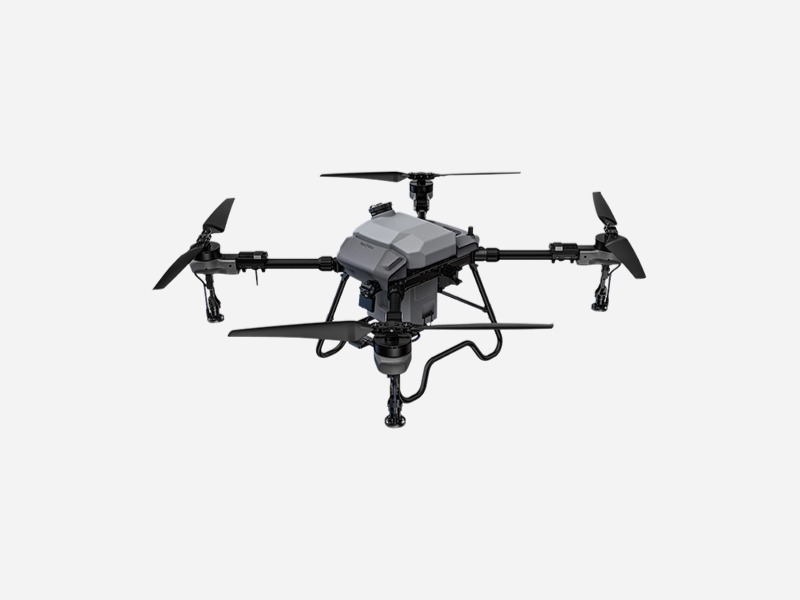
Agriculture UAV drones have emerged as indispensable tools for farmers seeking to enhance productivity and ensure high-quality yields. Equipped with sophisticated sensors and imaging technology, these drones provide real-time data on crop health, soil conditions, and irrigation needs. By capturing detailed aerial imagery, farmers can identify issues such as pest infestations or nutrient deficiencies before they escalate into larger problems. The ability to monitor vast areas quickly allows for timely interventions that directly impact the quality of produce harvested.
The Role of Agma-Toyar in Drone Technology
Agma-Toyar has been at the forefront of developing innovative solutions tailored specifically for agriculture using UAV drone technology. Their cutting-edge systems integrate seamlessly with existing farm operations, providing users with intuitive interfaces for monitoring crops from above. With features like automated flight paths and advanced analytics capabilities, Agma-Toyar empowers farmers to make informed decisions based on accurate data insights. This level of precision not only enhances operational efficiency but also significantly contributes to maintaining high standards of product quality throughout the growing season.
Enhancing Fruit and Vegetable Sorting through Drone Data
The application of drone technology extends beyond monitoring; it plays a crucial role in fruit and vegetable sorting processes as well. By utilizing multispectral imaging captured by agriculture UAV drones, producers can assess ripeness levels across their fields more effectively than ever before. This capability enables them to harvest crops at optimal times when flavor profiles are best developed while minimizing waste due to overripe or underdeveloped fruits and vegetables. Consequently, integrating drone data into sorting operations leads not only to improved product consistency but also elevates consumer satisfaction through higher-quality offerings.
Conclusion: Elevating Agricultural Standards with Drones
The potential benefits offered by agriculture UAV drones cannot be overstated—they fundamentally change how we manage farms today while ensuring superior product quality tomorrow. From precise monitoring techniques provided by companies like Agma-Toyar to enhanced sorting methods driven by actionable insights from aerial data collection, it’s evident that embracing this technology is essential for any farmer aiming for excellence in their produce output.